
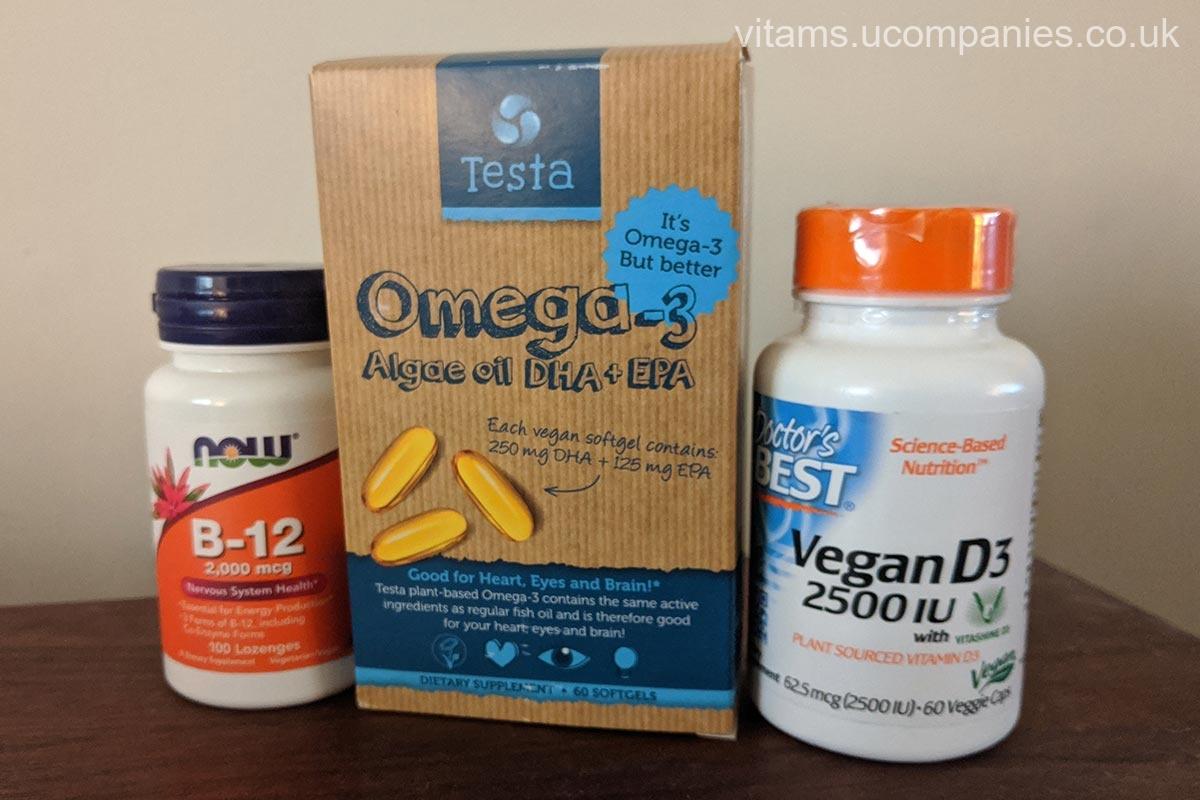
In this article, we will delve into the crucial supplements that both vegetarians and vegans should think about adding to their diets to ensure they obtain all the vital nutrients. Since plant-based diets may occasionally be deficient in specific vitamins and minerals, we will highlight the key nutrients to keep an eye on, along with practical recommendations for supplementation. Whether you are a seasoned vegetarian or vegan, or just looking to cut back on your meat intake, this guide is designed to equip you with valuable insights for maintaining a balanced and healthy diet.
Essential Nutrients for Plant-Based Diets
Transitioning to a plant-based diet can bring numerous health benefits, but it also requires careful planning to ensure you’re getting all the essential nutrients your body needs. Here are some key nutrients to focus on:
- Protein: Vital for muscle repair and growth, protein can be sourced from legumes, nuts, seeds, and whole grains.
- Omega-3 Fatty Acids: Important for heart health and brain function, sources include flaxseeds, chia seeds, and walnuts.
- Iron: Crucial for transporting oxygen in the blood, plant-based iron can be found in beans, lentils, and fortified cereals.
- Calcium: Essential for bone health, look for fortified plant milks, tofu, and leafy greens.
- Vitamin B12: Necessary for nerve function and the production of DNA, B12 is primarily found in animal products, so supplementation may be required.
- Vitamin D: Important for immune function and bone health, vitamin D can be obtained through sunlight exposure and fortified foods.
Common Deficiencies to Consider
Despite the abundance of nutrients available in a plant-based diet, specific deficiencies can occur if dietary choices are not carefully managed. Here are some common deficiencies to be aware of:
- Vitamin B12: As mentioned, this vitamin is typically lacking in vegan diets. Without adequate B12, individuals may experience fatigue, weakness, and neurological issues.
- Iron: Non-haem iron from plant sources is not absorbed as efficiently as haem iron from meat, increasing the risk of deficiency.
- Calcium: If dairy products are eliminated, it’s crucial to seek alternative calcium sources to maintain bone health.
- Omega-3 Fatty Acids: A deficiency can lead to cognitive decline and cardiovascular issues, particularly if you’re not consuming enough plant-based sources.
Popular Supplements for Vegans
To help bridge nutritional gaps, many vegans turn to supplements. Here are some popular options:
- Vitamin B12 supplements: Available in various forms such as tablets, sublinguals, or sprays, these are vital for vegans.
- Iron supplements: If dietary intake is insufficient, supplements can help prevent anaemia.
- Omega-3 supplements: Algal oil is a plant-based alternative to fish oil, providing a source of DHA and EPA.
- Vitamin D supplements: Especially important in regions with limited sunlight, vitamin D2 or D3 derived from lichen can be beneficial.
- Protein powders: Plant-based proteins from pea, rice, or hemp can help meet daily protein needs, especially for active individuals.
Choosing Quality Supplements
When selecting supplements, quality is paramount. Here are some tips for making informed choices:
- Read Labels: Look for third-party testing and certifications to ensure the product meets quality standards.
- Check for Bioavailability: Some forms of nutrients are better absorbed by the body than others. For example, methylcobalamin is a more bioavailable form of B12 than cyanocobalamin.
- Research Brands: Familiarize yourself with reputable brands that focus on vegan and plant-based products.
- Avoid Fillers: Choose supplements with minimal additives and fillers to maximize health benefits.
Consulting Healthcare Professionals
Before embarking on any supplement regimen, it’s essential to consult with a healthcare professional. They can assist you in the following ways:
- Assess Nutritional Needs: A dietitian can evaluate your diet and pinpoint any potential deficiencies.
- Tailor Recommendations: A qualified professional can propose specific supplements tailored to your unique health needs and lifestyle.
- Monitor Health: Regular check-ups are crucial for tracking your nutrient levels and ensuring your diet stays balanced.
Balancing Your Diet with Whole Foods
While supplements can play a role in a plant-based diet, whole foods should be the foundation. Incorporating a variety of these foods can help ensure you receive a broad spectrum of nutrients:
- Fruits and Vegetables: Aim for a colourful plate to maximise nutrient intake.
- Whole Grains: Opt for brown rice, quinoa, and whole grain breads for fibre and nutrients.
- Legumes: Beans, lentils, and chickpeas provide protein and fibre.
- Nuts and Seeds: These are excellent sources of healthy fats and protein.
Myths About Vegan Supplements
Several misconceptions surround vegan supplements. Let’s debunk a few:
- Myth: Vegan diets are nutritionally inadequate. While planning is essential, a well-rounded vegan diet can provide all necessary nutrients.
- Myth: All supplements are created equal. Quality varies significantly among brands; always choose reputable sources.
- Myth: You can get everything from food alone. While whole foods are vital, some nutrients like B12 may require supplementation.
For more information on nutrients and supplements, feel free to browse our product section on our website. We aim to empower individuals with knowledge about their dietary choices and provide insights on maintaining a balanced plant-based lifestyle.