
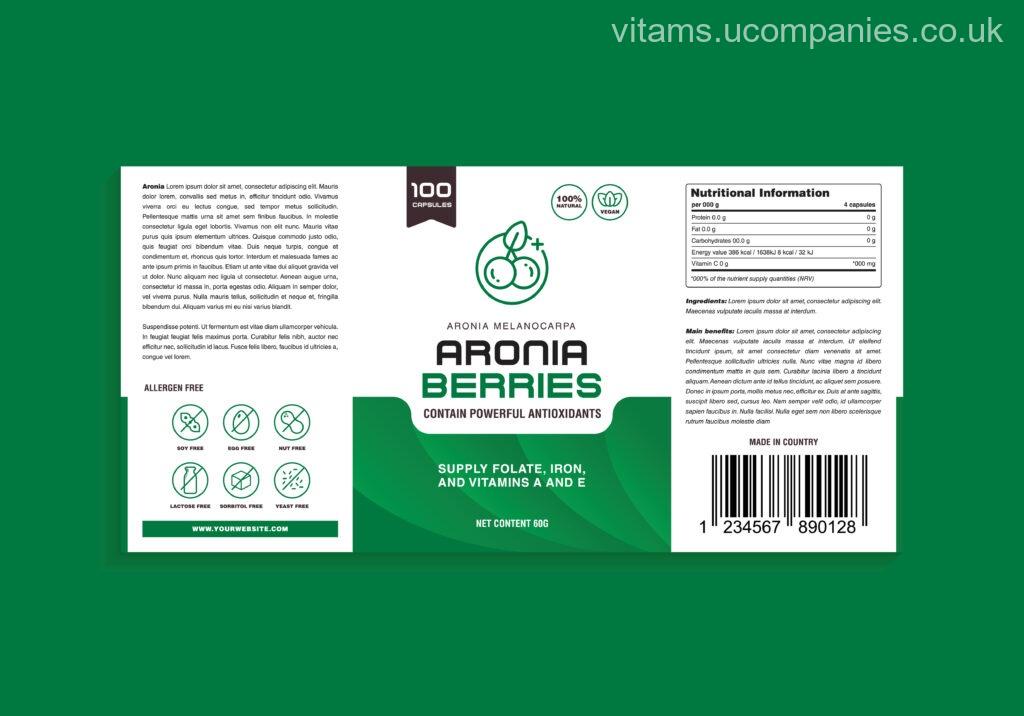
In this article, we will explore the essential elements to consider when reading a supplement label, ensuring you make informed choices about your health and wellbeing. From understanding ingredient lists to deciphering serving sizes and nutritional information, we will provide practical tips and suggestions to help you navigate the often-confusing world of dietary supplements. Whether you’re a seasoned supplement user or just starting out, this guide aims to empower you with the knowledge needed to select the best products for your needs.
Understanding the Ingredients
When examining a supplement label, the first step is to understand the ingredients listed. Ingredients are typically organised in descending order by weight, meaning the first few listed are the most significant components of the product. Familiarising yourself with these ingredients can help you make informed decisions regarding your health.
Key components to identify:
- Active Ingredients: These are the components that provide the intended health benefits, such as vitamins, minerals, or herbal extracts.
- Inactive Ingredients: These may include binders, fillers, and flavourings. While they are not harmful, it’s good to know what else is in the product.
- Natural vs Synthetic: Understanding whether the ingredients are sourced naturally or manufactured can impact your choice, especially if you prefer organic options.
Serving Size Insights
Understanding serving sizes is crucial for proper supplementation. The serving size indicated on the label helps you determine how much of the product you should take to achieve the desired effect.
Importance of serving measurements:
- Helps in avoiding overdosing: Taking more than the recommended serving can lead to adverse effects.
- Aids in comparison: Different brands may have varying serving sizes, making it easier to compare products effectively.
- Guides frequency of intake: Knowing how often to take a supplement can ensure you maintain adequate nutrient levels.
Daily Value Percentages
The Daily Value (DV) percentages on supplement labels show how much a nutrient contributes to your daily diet. This information is crucial for helping you evaluate whether a supplement fulfills your nutritional needs.
Interpreting nutritional benchmarks:
- Understanding Percentages: A DV of 20% or more is regarded as high, whereas 5% or less is deemed low. This can assist you in selecting supplements that align with your dietary requirements.
- Recognising Adequate Intake: It’s important to compare the DV with your personal needs, as these values are based on a 2,000-calorie diet and may vary for you.
- Focus on Key Nutrients: Give special attention to vitamins and minerals that are vital for your health and may be deficient in your diet.
Checking for Additives
Additives are often included in supplements to enhance taste, texture, or shelf life. However, not all additives are beneficial, and some may even be harmful.
Recognising fillers and preservatives:
- Common Fillers: Ingredients like maltodextrin or cellulose are often used to bulk up supplements but offer no nutritional value.
- Preservatives: These can extend shelf life but may cause allergic reactions or other health concerns for sensitive individuals.
- Artificial Ingredients: Look out for artificial colours or flavours, which may not align with your health goals.
Manufacturer Transparency
The credibility of a supplement brand can significantly impact your choice. Transparency in manufacturing processes and ingredient sourcing is vital for ensuring product quality.
Evaluating brand credibility:
- Company Background: Research the manufacturer’s history and reputation in the industry.
- Ingredient Sourcing: Look for brands that disclose where they source their ingredients, especially for herbal extracts or exotic compounds.
- Customer Reviews: Checking reviews and testimonials can provide insights into others’ experiences with the product.
Certifications and Quality Seals
Certifications and quality seals on supplement labels can indicate a product’s safety and efficacy. These marks often signify that the product has undergone rigorous testing.
What certifications to look for:
- Good Manufacturing Practices (GMP): This certification ensures the product is produced in a controlled and standardised environment.
- NSF or USP Verified: Look for seals from independent organisations that verify the product’s quality and purity.
- Organic or Non-GMO Labels: If you prefer natural products, check for organic certifications or non-GMO labels.
Potential Allergens
Many supplements can contain potential allergens that may not be immediately obvious. Identifying these allergens is crucial, especially for individuals with sensitivities or allergies.
Identifying common allergens:
- Nuts and Dairy: These are frequent allergens found in some supplements, particularly those that include protein powders.
- Gluten: Many brands now offer gluten-free options, but it’s essential to check for cross-contamination.
- Soy and Shellfish: These allergens can appear in certain formulations, so always read labels carefully.
Reading Between the Lines
Marketing terms can sometimes be misleading; understanding their meanings can help you navigate supplement labels more effectively.
Understanding marketing terms:
- «Natural»: This term can be vague; seek clarification on what it means for the specific product.
- «Proprietary Blend»: While it may sound appealing, it can obscure the exact amounts of each ingredient.
- «No Fillers»: Ensure this claim is backed by transparent ingredient lists rather than vague assurances.
In conclusion, being informed about what to look for on a supplement label can greatly enhance your health and wellness journey. For more information or to explore our product section, feel free to browse our website!