
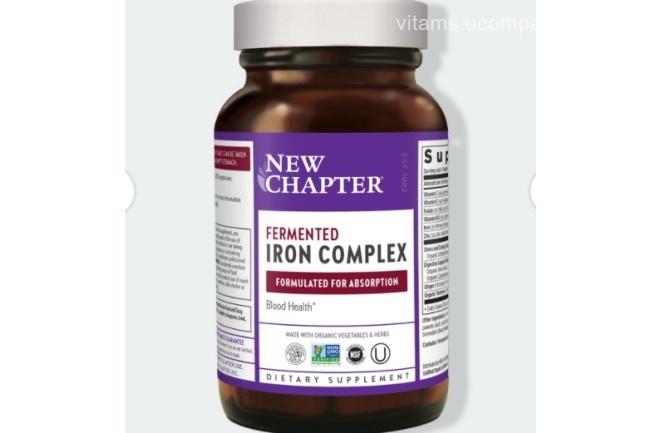
In this article, we will delve into the top iron supplements specifically tailored for women in the year 2025. Given that many women encounter distinct nutritional challenges, maintaining sufficient iron intake is essential for overall health and well-being. We will examine a range of supplements available in the market, emphasizing their key ingredients, benefits, and possible side effects. Furthermore, we will offer guidance on how to select the most suitable supplement based on individual needs and preferences.
Iron Deficiency in Women
Iron deficiency is a prevalent issue among women, especially those of reproductive age. This condition can result in anaemia, extreme fatigue, and various other health complications. According to the World Health Organisation, approximately 30% of the global population is affected by iron deficiency, with women being disproportionately impacted. This is frequently due to factors such as menstruation, pregnancy, and dietary habits that may not supply sufficient iron.
Grasping the significance of iron deficiency is vital for women’s health. Symptoms can encompass fatigue, weakness, pale skin, and shortness of breath, which may disrupt everyday activities. If not addressed, iron deficiency can lead to more severe health issues, underscoring the importance for women to keep a close eye on their iron levels.
Benefits of Iron Supplements
Iron supplements play a vital role in addressing iron deficiency and improving overall health. They can help restore iron levels in the body, alleviate symptoms of fatigue, and enhance energy levels. Additionally, iron is crucial for the production of haemoglobin, the protein in red blood cells that carries oxygen throughout the body.
Why they matter:
- Enhance Energy Levels: Iron is essential for oxygen transport in the body, which helps maintain energy levels and reduce fatigue.
- Support Immune Function: Adequate iron levels are necessary for a well-functioning immune system, helping the body fight off infections.
- Aid in Cognitive Function: Iron is important for brain health and can improve concentration and cognitive function.
Top Iron Supplements for 2025
With the increasing awareness of iron deficiency, various supplements are available on the market to cater to women’s needs. Here are our recommended picks for the best iron supplements in 2025:
1. Floradix Iron + Herbs: A liquid supplement that combines iron with herbal extracts for better absorption and taste.
2. Solgar Gentle Iron: A non-constipating iron supplement that is gentle on the stomach, making it ideal for sensitive individuals.
3. Garden of Life mykind Organics Iron: A whole food, plant-based iron supplement that is vegan-friendly and contains probiotics for digestive support.
4. MegaFood Blood Builder: This supplement not only provides iron but also includes vitamins C and B12, which enhance absorption and support overall health.
5. Nature’s Way Iron: A classic choice, this supplement contains a balanced dose of iron with added vitamin C for better absorption.
How to Choose the Right Supplement
Selecting the appropriate iron supplement can be a daunting task, given the myriad options available. Here are some tips for making the right choice:
- Consider the Form: Supplements come in various forms, including tablets, capsules, and liquids. Choose one that fits your preference and lifestyle.
- Check the Dosage: Look for supplements that provide the recommended daily allowance (RDA) for iron, which is around 14.8 mg for women aged 19-50.
- Look for Added Nutrients: Some iron supplements come with added vitamin C or B12, which can enhance absorption and efficacy.
- Read Reviews: Research user reviews to get insights on the effectiveness and tolerability of the supplement.
Potential Side Effects
While iron supplements can be beneficial, they can also lead to side effects, especially if consumed in excess. Here are some key points to consider:
- Gastrointestinal Issues: Common side effects include constipation, nausea, and abdominal discomfort. Starting with a lower dose can help mitigate these symptoms.
- Allergic Reactions: In rare instances, some individuals may encounter allergic reactions. If you notice any unusual symptoms, it’s important to discontinue use and consult a healthcare professional.
- Iron Overload: Excessive intake of iron can lead to toxicity, known as hemochromatosis. It’s vital to adhere to recommended dosages and consult with a doctor.
Dietary Sources of Iron
In addition to supplements, incorporating dietary sources of iron can significantly help in maintaining adequate iron levels. Natural options to consider include:
- Red Meat: Beef and lamb are rich in heme iron, which is more readily absorbed by the body.
- Poultry and Fish: Chicken and fish also provide good sources of heme iron.
- Leafy Greens: Spinach, kale, and Swiss chard are excellent sources of non-heme iron, though they are less easily absorbed.
- Legumes: Lentils, chickpeas, and beans are fantastic plant-based sources of iron.
- Nuts and Seeds: Pumpkin seeds, cashews, and almonds are great snacks that offer iron.
Consulting Healthcare Professionals
Before starting any iron supplement, it is essential to consult healthcare professionals. They can offer personalised advice based on individual health needs and assess whether supplementation is necessary.
Importance of expert advice:
- Personalised Recommendations: A healthcare professional can provide tailored recommendations based on your health history and current iron levels.
- Monitoring Iron Levels: Regular blood tests can help monitor iron levels and prevent potential complications associated with deficiency or overload.
- Addressing Underlying Issues: It’s crucial to identify and address any underlying health issues that may contribute to iron deficiency.
In conclusion, understanding iron deficiency, its implications, and the benefits of supplements is crucial for women’s health. While supplements can play a significant role in restoring iron levels, it is essential to consider dietary sources and seek professional guidance. For more information on iron supplements, feel free to browse our product section on our website!